


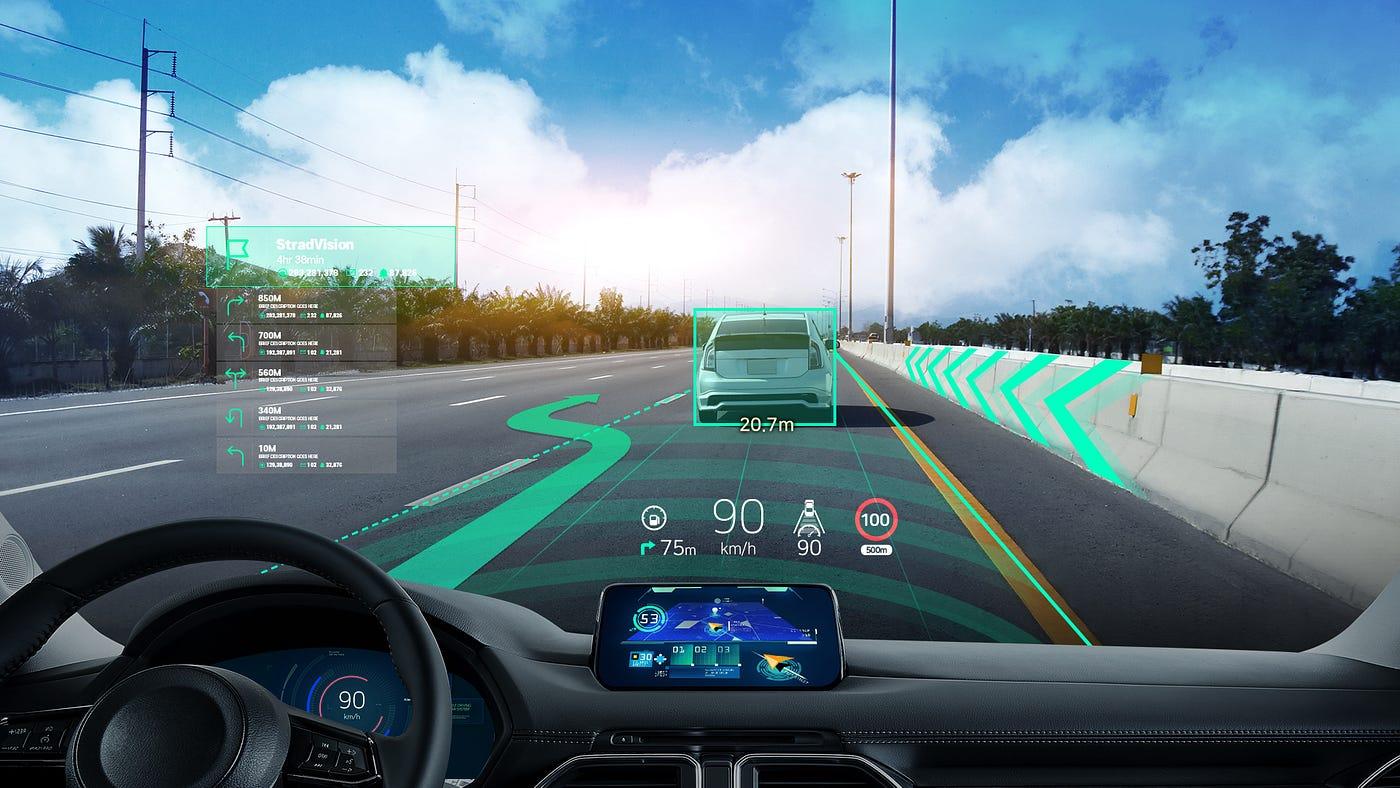
The intersection of optics, software, and automotive engineering is creating a new era for human-machine interfaces (HMI). Within the Head-Up Display Market, this convergence is most visible in how data is presented to the user. No longer limited to basic speedometers, today’s HUDs are complex systems capable of rendering 3D graphics that interact with the external environment. This shift is being supported by the massive influx of data from vehicle sensors, including LiDAR, radar, and cameras. For instance, in low-visibility or foggy conditions, a HUD can project a virtual path on the windshield, guiding the driver safely along the road. This level of integration requires sophisticated image processing units and low-latency data transmission, which are becoming standard in modern vehicle architectures. As the aviation industry also pushes for more compact HUDs in smaller aircraft, the cross-pollination of ideas between the aerospace and automotive sectors is accelerating the pace of hardware miniaturization.
Recent findings in Head-Up Display Market research indicate that consumer preference is shifting toward larger virtual image sizes and longer projection distances. These features help in reducing eye strain, as the driver’s eyes do not need to refocus between the road and the display. To achieve this, engineers are exploring the use of holographic optical elements (HOE), which allow for much thinner projection units that can fit into the tight constraints of a vehicle's dashboard. Furthermore, the aesthetic appeal of a "digital" cabin is a significant driver for young car buyers, who view high-tech displays as a hallmark of quality and innovation. As sustainability becomes a core focus for OEMs, the development of energy-efficient HUD components is also gaining traction. The market is poised for a significant expansion as these technologies mature and become integrated into the burgeoning ecosystem of smart, connected, and electrified transportation solutions worldwide.
What information is typically displayed on a vehicle HUD? Common data points include current speed, turn-by-turn navigation instructions, speed limit warnings, and active safety alerts like lane departure warnings.
Are HUDs distracting for drivers? Research shows that when properly designed, HUDs reduce distraction by keeping the driver’s gaze on the road, though poorly placed or cluttered displays can have the opposite effect.
➤➤➤Explore MRFR’s Related Ongoing Coverage
Enhanced Vision Systems Market

 English
 Arabic
 Spanish
 Portuguese
 Deutsch
 Turkish
 Dutch
Dutch
 Italiano
 Russian
 Romaian
 Portuguese (Brazil)
 Greek
Greek