


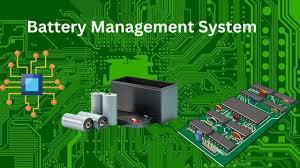
While electric vehicles and grid storage often dominate the headlines, the Battery Management System Market remains deeply rooted in the consumer electronics sector. From smartphones and laptops to wearable medical devices, the requirement for compact, efficient, and highly reliable battery control has never been higher. Consumers demand faster charging times and longer-lasting devices, which puts immense pressure on battery chemistry and the electronics that manage it. Modern systems in this segment are designed to be ultra-low power, ensuring that the management circuitry itself does not significantly drain the battery it is protecting. They must also handle the complex safety challenges associated with high-density lithium-polymer batteries, which are prone to swelling or failure if not managed with extreme precision.
Miniaturization and integration are the current themes defining the evolution of this sector. New Battery Management System market research suggests that manufacturers are increasingly moving toward system-on-chip solutions that combine management functions with power delivery controllers. This integration helps reduce the physical footprint of the electronics, allowing for thinner devices or larger battery capacities within the same space. Furthermore, as consumer awareness regarding battery health grows, software features that limit charging to eighty percent to prolong lifespan are becoming standard. This intersection of hardware protection and user-centric software is creating a more informed consumer base that expects longevity from their electronic investments. The continuous refinement of these systems ensures that as our reliance on mobile technology grows, the safety risks associated with high-energy batteries remain minimized.
FAQs Why is cell balancing important in consumer electronics? It ensures that all cells in a multi-cell device (like a laptop) discharge evenly, preventing one cell from failing early and disabling the entire pack. Do these systems protect against overcharging? Yes, one of the primary functions is to disconnect the charging circuit once the battery reaches its safe maximum voltage.
➤➤➤Explore MRFR’s Related Ongoing Coverage
Touch Screen Controllers Market

 English
 Arabic
 French
 Spanish
 Portuguese
 Turkish
 Dutch
Dutch
 Italiano
 Russian
 Romaian
 Portuguese (Brazil)
 Greek
Greek